September 22, 2026
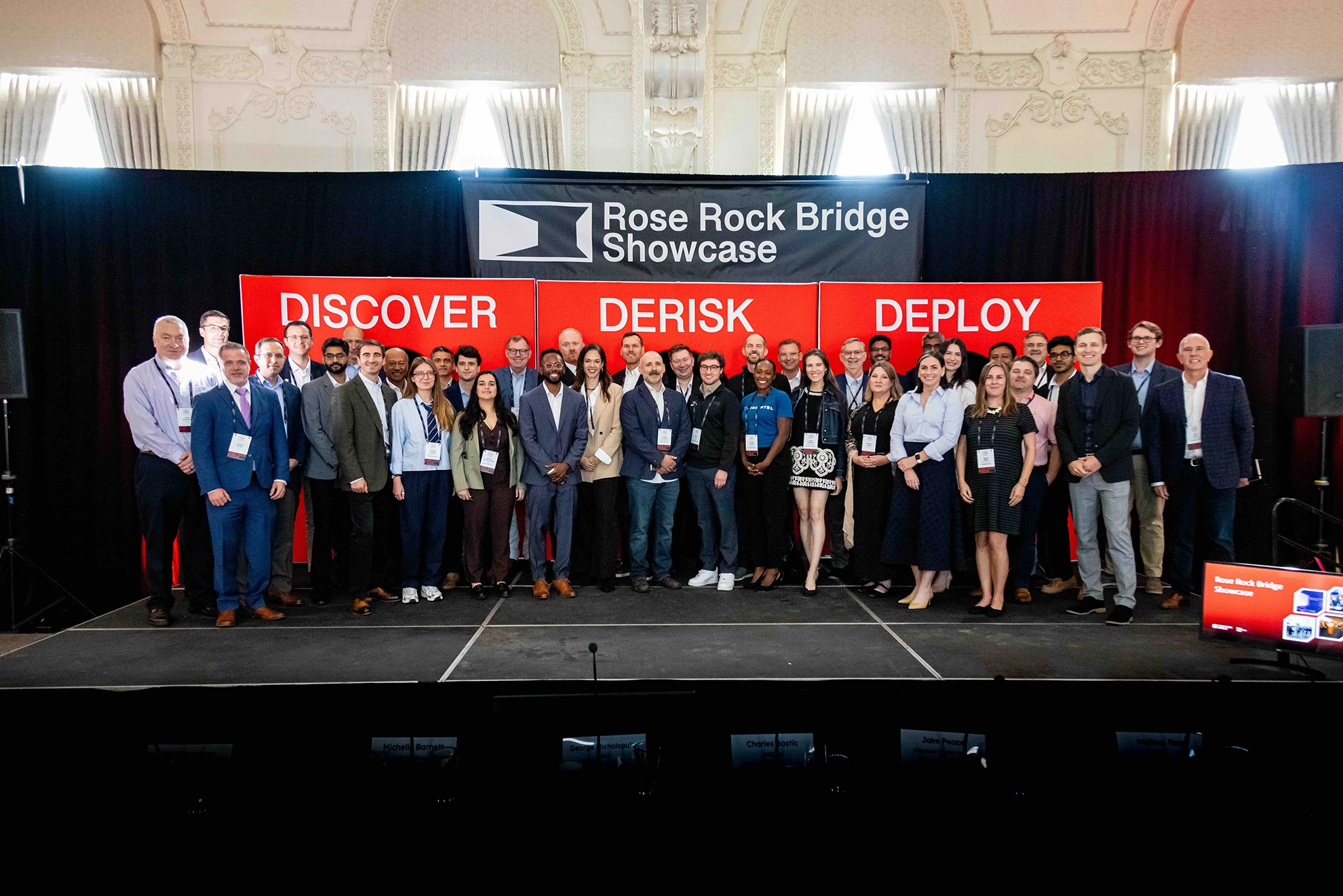
Rose Rock Bridge Awards Four Startups $400,000 to Scale Energy Innovations and Drive Local Job Growth in Tulsa
Read blog post
A federal bet on the heartland has become certified technology, a growing talent pipeline, and an advanced-industry cluster.
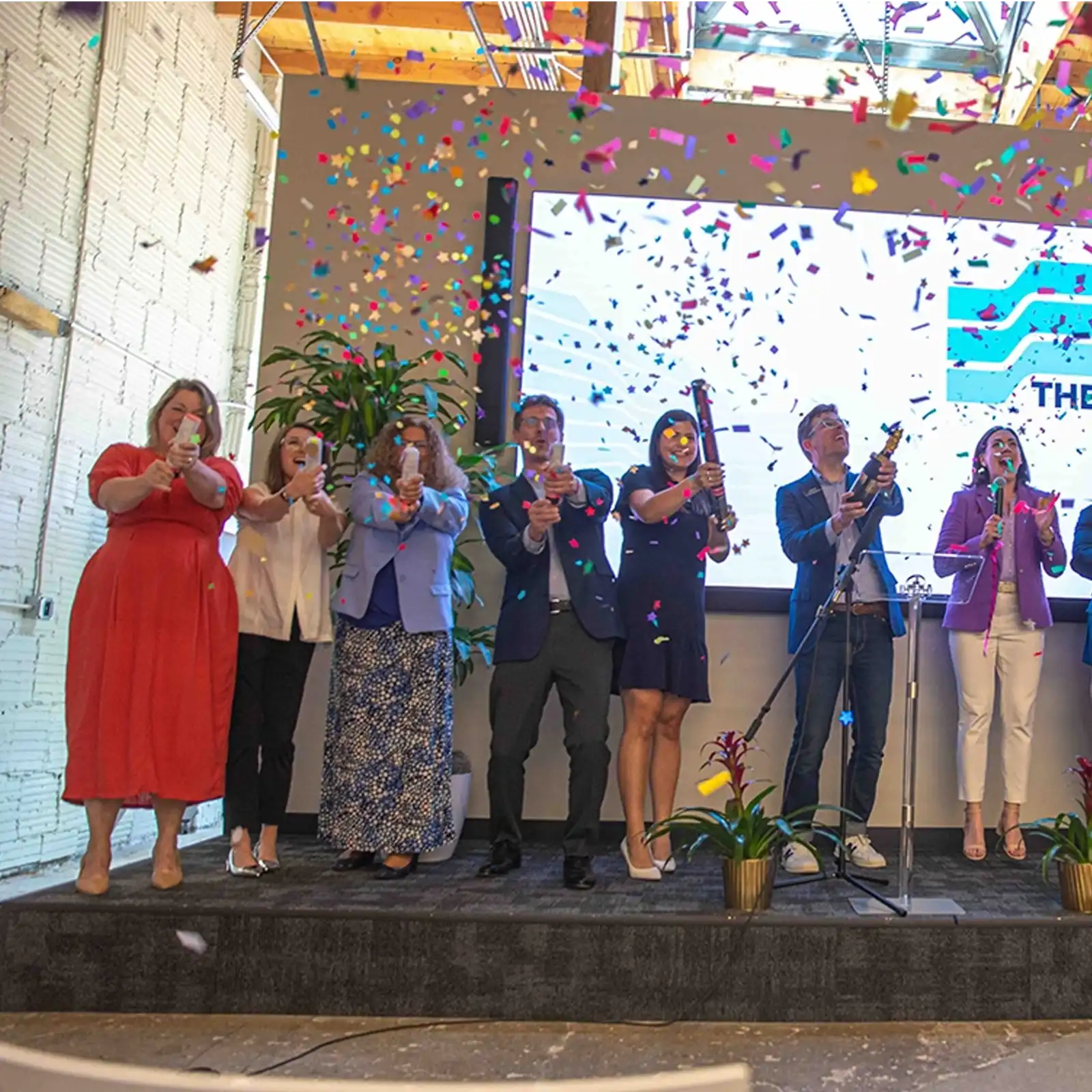
Two years ago, a federal Tech Hub designation and $51M award put a national spotlight on Tulsa and confirmed something we already believed: the heartland can lead the industries of the future. The designation was never the finish line. It was a starting point to turn our region's strengths in aviation, aerospace, manufacturing, defense, and energy into high-quality jobs, new companies, and real economic growth in autonomous systems and advanced mobility.
Two years in, that mandate is producing results. Here's a look at what the work has built, and why it matters for our regional economy.
Great ideas need proof, and Tulsa is becoming the place where innovations in autonomous systems get tested, certified, and trusted.
Companies are coming to Tulsa to earn some of the first Green UAS certifications, working through the University of Tulsa and Oklahoma State University to prove their drones meet the highest standards for security and reliability. The certifications are a signal of quality to federal and commercial customers, and a sign that our ecosystem has become a destination for getting autonomous systems verified and market-ready.
Around the same time that Green UAS certifications came online, WindShape opened its first U.S. facility right here in Tulsa, bringing advanced indoor testing capabilities to Skyway Range and giving companies a controlled environment to push their systems further, faster. This means companies can test indoors or outdoors across urban and rural landscapes, then get their technology vetted and certified, all in one city.
The SAFE-T initiative led by Tulsa-based meerir has also brought new technical capabilities and partnerships online, laying the groundwork for safe, reliable drone delivery in a shared and well-managed airspace. Each of these milestones moves us closer to a future where autonomous systems operate safely alongside the communities they serve.
Technology only scales when people can build it, run it, and grow with it. That's why so much of our work centers on talent.
Pathways to Autonomy through the Opp Project is sparking curiosity in K-12 classrooms, showing Tulsa's youngest learners that the innovation economy has a place for them. From there, the T3 Internship program facilitated by Tulsa Higher Education Consortium picks up the thread, connecting students to hands-on experience and, for many, directly into jobs. Together, these programs are building a pipeline that keeps homegrown talent here and gives Tulsa companies the skilled workforce they need to compete.
Behind these efforts is the Autonomous Systems Workforce Program, the engine that carries talent from curiosity to career. Through employer-led training, on-the-job experience, and stackable credentials like Tulsa Community College's Micro-Pathways, the program up-skills and re-skills workers for the new roles that advanced industries create. It's how a student who first encountered autonomy in a K-12 classroom can build real, in-demand skills and step into a job that didn't exist a few years ago, all without leaving the region.
Making sure that training lines up with real opportunity is the job of the Labor Market Observatory (LMO), our data-driven workforce intermediary. The LMO tracks hiring trends, skills demand, and the supply of local talent, giving educators and employers a shared, real-time picture of where the jobs are headed. That intelligence is already shaping smarter programs, and it points to a clear opportunity: Tulsa can grow its autonomous systems sector significantly without straining the regional labor market. In other words, we have room to scale, and the data to do it wisely.
Innovation should lift up the neighborhoods it grows in. The Greenwood AI Center of Excellence led by Black Tech Street carries a historic legacy into a new chapter, planting AI and cybersecurity opportunity in the heart of a community that has long embodied Tulsa's entrepreneurial spirit. Based at the Greenwood Entrepreneurship at Moton building and established in partnership with Microsoft, the center offers community-driven AI training and education alongside a secure technical environment where residents, students, and founders can prototype and test new technology. It's a deliberate choice to put community at the center of AI adoption and to make sure the region's fastest-growing tools are within reach for people across the greater Tulsa area.
That approach is getting noticed. Fast Company recognized Tulsa's Tech Hub as a world-changing idea, a national nod to the model we're building and the global challenges it's designed to help solve.
These milestones are more than individual wins. They're building momentum from Tulsa's deepest strengths and legacy in aviation, aerospace, and energy, which already employ tens of thousands of people across the region. Autonomous systems will be the next chapter of that story, and our vision is to keep adding to it with 60,000 new jobs across the region over the next decade, and lasting economic growth to match.
That's what our Tech Hub is intended to do. It aligns federal investment, industry partners, research institutions, and local talent around a shared goal, then turns that alignment into companies, careers, and opportunity that stay and grow here at home.
Two years of progress have given us proof that the model works and momentum to build on. We're grateful to the partners across government, industry, and education who have made it possible, and we're just getting started.
We can't wait to celebrate the many more milestones ahead as Tulsa's Tech Hub keeps writing the next chapter of the innovation economy in the heartland.
You are connecting with Clay, part of our government affairs team
You are connecting with Abisoye, part of our community organizations team
You are connecting with Lawrence
You are connecting with our local and national business team.